In Kosicki v. Toronto (City), the Supreme Court of Canada (SCC) considered whether homeowners could claim ownership of a strip of municipal parkland had been fenced off and used exclusively for decades.
In a landmark ruling, the Court confirmed that municipal parkland is not automatically protected from claims of adverse possession, meaning that, in the right circumstances, private landowners can acquire ownership to municipally owned parkland.
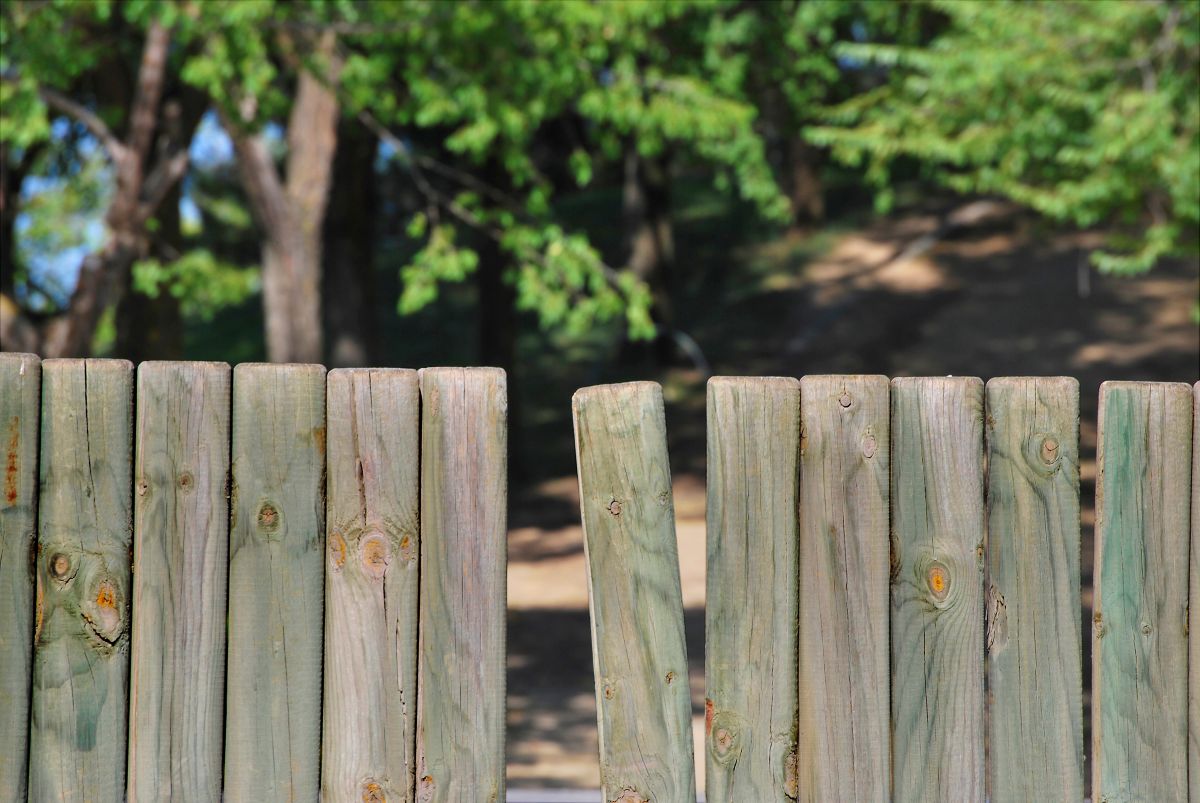
The homeowners bought their Toronto property in 2017. Their backyard included a fenced area that was actually part of the City’s park system. The City refused to sell the land, citing its policy against selling green space.
The homeowners applied for “possessory title” – a legal claim that allows someone to become the owner of land they’ve used exclusively for a long time, even if they don’t hold the deed. In Ontario, this is known as adverse possession.
To succeed, the homeowners had to show they had used the land in a way that was:
- Open and obvious
- Without permission
- Exclusive
- Continuous for at least 10 years
The City admitted that the homeowners met all the legal requirements for adverse possession.
Still, the lower courts rejected the claim. The application judge said it would be wrong to take land away from the City on public policy grounds. The Court of Appeal agreed, saying municipal parkland is generally protected from adverse possession unless the City clearly gives up its rights or allows the private use.
However, the Supreme Court disagreed.
The SCC said Ontario’s Real Property Limitations Act (RPLA) sets out specific types of land that are protected from adverse possession—like Crown land and roadways. Municipal parkland isn’t on that list.
Creating a new exception for parkland would go against what the Ontario legislature intended. Since the law has been updated several times without adding parkland to the exemption list, the Court concluded that no special protection exists.
Bottom line: The homeowners won. Because the fence had been up since the early 1970s, the City’s ownership was legally extinguished decades ago under the RPLA.
What This Means for Municipalities
- Land Management
- Cities can no longer rely on general public policy arguments to protect parkland. Unless the law specifically exempts it, municipal land is vulnerable to adverse possession.
- Legislative Reform
- This decision puts pressure on lawmakers. If Ontario wants to protect parkland from adverse possession, it needs to change the law—like Alberta and British Columbia have already done.
- Planning and Development
- Accurate surveys and careful land registry management are now more important than ever. Even long-standing green spaces can be lost if municipalities don’t actively monitor and protect them.
Understanding Adverse Possession: A Quick Primer
For readers less familiar with the concept, here’s a breakdown of the key features of adverse possession:
- Exclusive Possession: The person must physically control and use the land as if they were the owner, excluding the actual (paper) owner.
- Open and Notorious Use: The use must be visible and obvious, so the true owner could reasonably notice and take action.
- Adverse to the True Owner: The possession must be without the owner’s permission. If the owner consents, it’s not adverse possession.
- Continuous for the Limitation Period: In Ontario, the RPLA sets a 10-year period. If the true owner doesn’t act within that time, their title is extinguished and the possessor’s title becomes legally recognized.
- Effect of Maturity: Once the 10-year period is met, the original owner’s rights are extinguished by law, and the possessor becomes the legal owner (subject to registration rules under the Land Titles Act).