
When we consider the concept of copyright law, it is likely that we think of the infamous FBI warning displayed at the beginning of a home DVD. Or maybe what comes to mind is the long list of legal issues that touched many of our lives when YouTube and file-sharing sites made digital content readily available to anyone with an Internet connection.
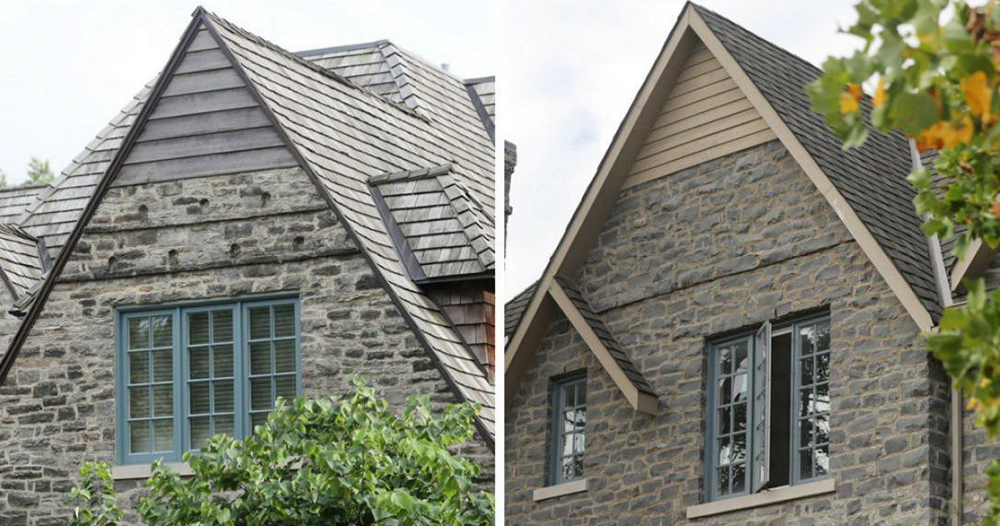
However, copyright can apply to a wide variety of creative works, many of which cannot readily be replicated at the click of a mouse button. This includes sculpture, paintings and … architectural work.
For the uninitiated (and that would be the vast majority of us!), an architect generally maintains the copyright in architectural designs unless those designs were developed for a client under the explicit understanding that the client owns the architect’s work product. So far so good. But what happens when a newly built house appears to bear the exact same design as another house in the same neighbourhood?
Two sets of Toronto residents in the city’s Forest Hill neighbourhood were facing this exact issue. As reported in the Toronto Star here, Jason and Jodi Chapnik filed a lawsuit in Federal Court alleging that Barbara Ann Kirshenblatt, her builder brother and architect brother-in-law unlawfully copied the design of their Tudor-style stone mansion. In all, the Chapniks sought CDN$2.5 million in restitution, which includes punitive and statutory damages pursuant to the provisions of the Copyright Act and a mandatory injunction demanding that the allegedly infringing house’s design be changed.
The case confidentially settled in September 2017 – perhaps indicating the inherent difficulty of proving a case that rested on the assertion that Kirshenblatt copied elements of the Chapniks’ proprietary design.
In other words, this was not a case where an identical house was replicated one block over. Rather, Kirshenblatt’s house allegedly included “strikingly similar” elements that were present in the Chapnik property. Of course, any amateur architecture enthusiast will appreciate that certain elements of a building can be considered common to a particular style – consider, for example, copper mansard roofs or gothic flying buttresses.
In other words, not only would the plaintiffs need to prove that each element was “original” in its own right, but moreover that these allegedly copied elements constituted a substantial part of the overall protected work. It does not take an expert to see that this case would have been complex. From an academic perspective, it would have been quite interesting to see how the matter would have been argued in Court; however, from the parties’ perspective, the practicalities of settlement clearly out-weighed the uncertainties and expenses of ongoing Federal Court litigation.
With some intrepid use of Google® Street View you can be your own judge!
For more information about copyright infringement, contact our Intellectual Property Group.