
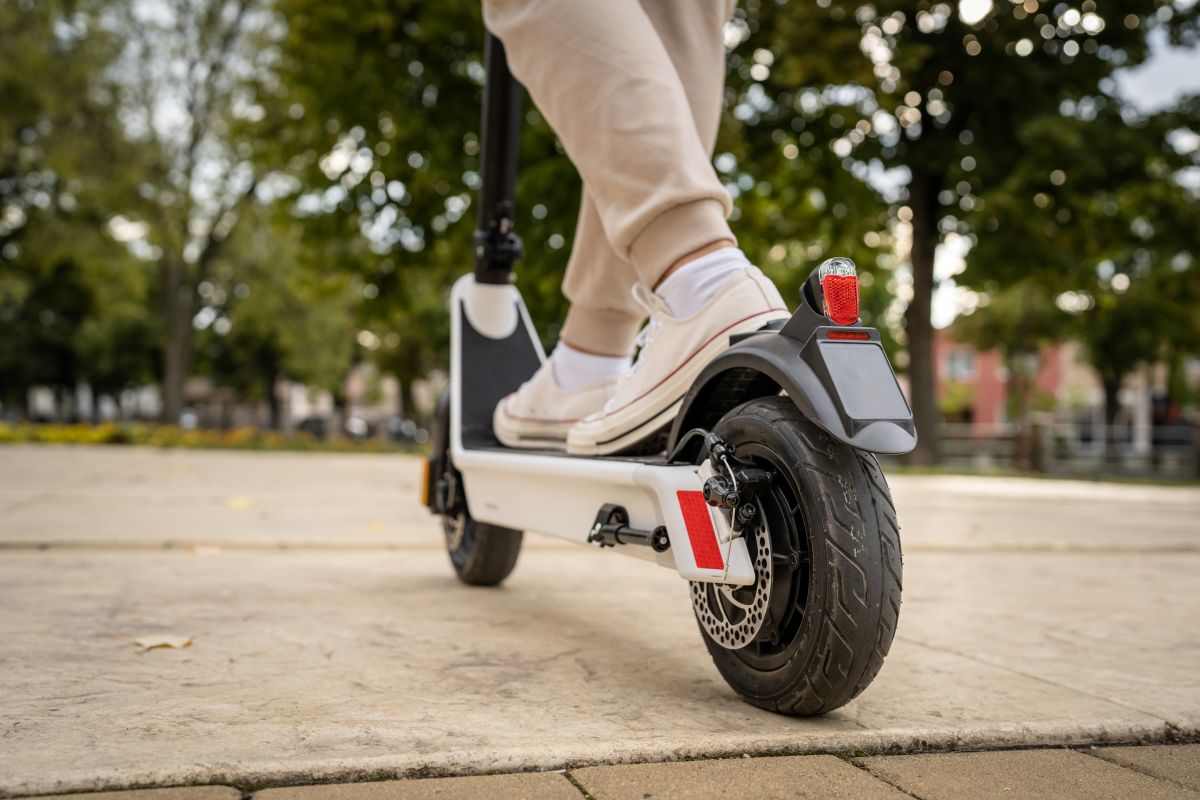
Lithium‑ion batteries power much of modern life: e‑scooters, power tools, vacuums, e‑bikes, laptops, toys, heated gloves, and dozens of other everyday devices.
Because they are so common, most people don’t think twice about charging several of them at the same time inside their home. But these batteries can pose an extreme fire risk when they are damaged, overcharged, stored incorrectly, or used with the wrong charger.
That risk became tragically apparent in Ottawa this month. A high‑rise fire on Somerset Street West, which claimed three lives, is being investigated for a possible link to a lithium‑ion e‑scooter battery. Fire officials emphasized that this was not an isolated event: Ottawa has already recorded eight confirmed lithium‑battery‑related fires this year and is on pace to reach nearly forty by year’s end, a sharp increase from previous years. Ottawa Fire Services has reported more than sixty such fires in the city since 2022, including incidents started by power tool batteries, heated glove batteries, and other small devices.
What makes these fires particularly dangerous is how quickly they escalate. A damaged or malfunctioning lithium‑ion battery can go into “thermal runaway,” a rapid chain reaction where the battery overheats and ignites within seconds. Firefighters have noted that something as simple as leaving a battery charging on top of a fridge, charging overnight, or using an incompatible charger has triggered destructive fires in Ottawa homes. In apartments, residents often keep e‑scooters and e‑bikes near their front door because that’s the most convenient spot, but this can block the only escape route if a fire starts at the charger. Even balconies, which are often assumed to be a safer space, come with their own hazards, as extreme hot or cold conditions can damage batteries and increase the risk of ignition.
For most households, this information is surprising. Studies cited by Ottawa Fire Services suggest a typical home can have around one hundred batteries in active use, the majority of them lithium‑ion. When tools, scooters, devices, and chargers begin accumulating, so does the potential for something to go wrong. [
Reducing the Risk at Home
Prevention does not require expensive equipment, rather just awareness and a few practical habits. Charging should be done in an open, observable space, never overnight or while you’re out. It’s important to use the charger supplied by the manufacturer, as mismatched chargers are a major cause of overheating. Batteries should not be charged on appliances or soft surfaces, and they should be kept away from exit points so you’re not trapped if something goes wrong. Damaged, swollen, or unusually warm batteries should be replaced immediately rather than reused or forced back onto a charger.
For larger devices like e‑bikes or scooters, charging in hallways, doorways, or on balconies can create additional hazards. Leaving space around the battery, keeping it out of extreme temperatures, and unplugging it when the charge is complete are some of the most effective protections available.
When Prevention Fails: Insurance Challenges After a Fire
Even when homeowners do everything right, lithium‑battery fires can still occur. When they do, families often find themselves facing not only the loss of their home or belongings but also disputes with their insurance company. Insurers may deny coverage by arguing that the device was misused, an aftermarket charger was used, the battery was modified, or the charging setup was unsafe. In some cases, they may deny parts of a claim (such as smoke or water damage caused by the fire department’s response) even if the fire itself is covered.
These denials can be appealed. Our litigation team members frequently help clients challenge insurance decisions by reviewing policy language, consulting fire investigators, and determining whether a denial is justified. Many people are surprised to learn that insurers can be persuaded to reverse their position when the right evidence is presented.
Could There Be a Legal Claim Beyond Insurance?
Not all battery fires are caused by user error. Some involve defective chargers, improperly manufactured batteries, or devices that overheat without warning. In those situations, a product liability claim may be possible against the manufacturer or distributor. Fires that originate in neighbouring units, particularly in multi‑residential buildings, may also give rise to claims against a neighbour, landlord, or property owner who failed to take reasonable precautions.
These situations are very fact‑specific. Photographs, the damaged battery or charger, fire department reports, and any available surveillance footage often become important pieces of evidence.
A Growing Issue in Ottawa
With Ottawa seeing a steady increase in lithium‑battery fires across e‑scooters, e‑bikes, tools, and household devices, the risk is no longer theoretical. The recent high‑rise tragedy has also prompted calls for regulation, as the city currently has no specific rules on in‑unit charging or battery storage for multi‑residential buildings.
As these fires become more common, so will questions about responsibility, safety, insurance obligations, and legal recourse.
If You Experience a Fire or an Insurance Denial
If your home suffers fire or water damage from a lithium‑ion battery and your insurer refuses to cover the loss, or covers only part of it, you do not need to navigate that alone. Speaking with a lawyer early can help preserve your rights, clarify your options, and improve your chances of a fair resolution.