
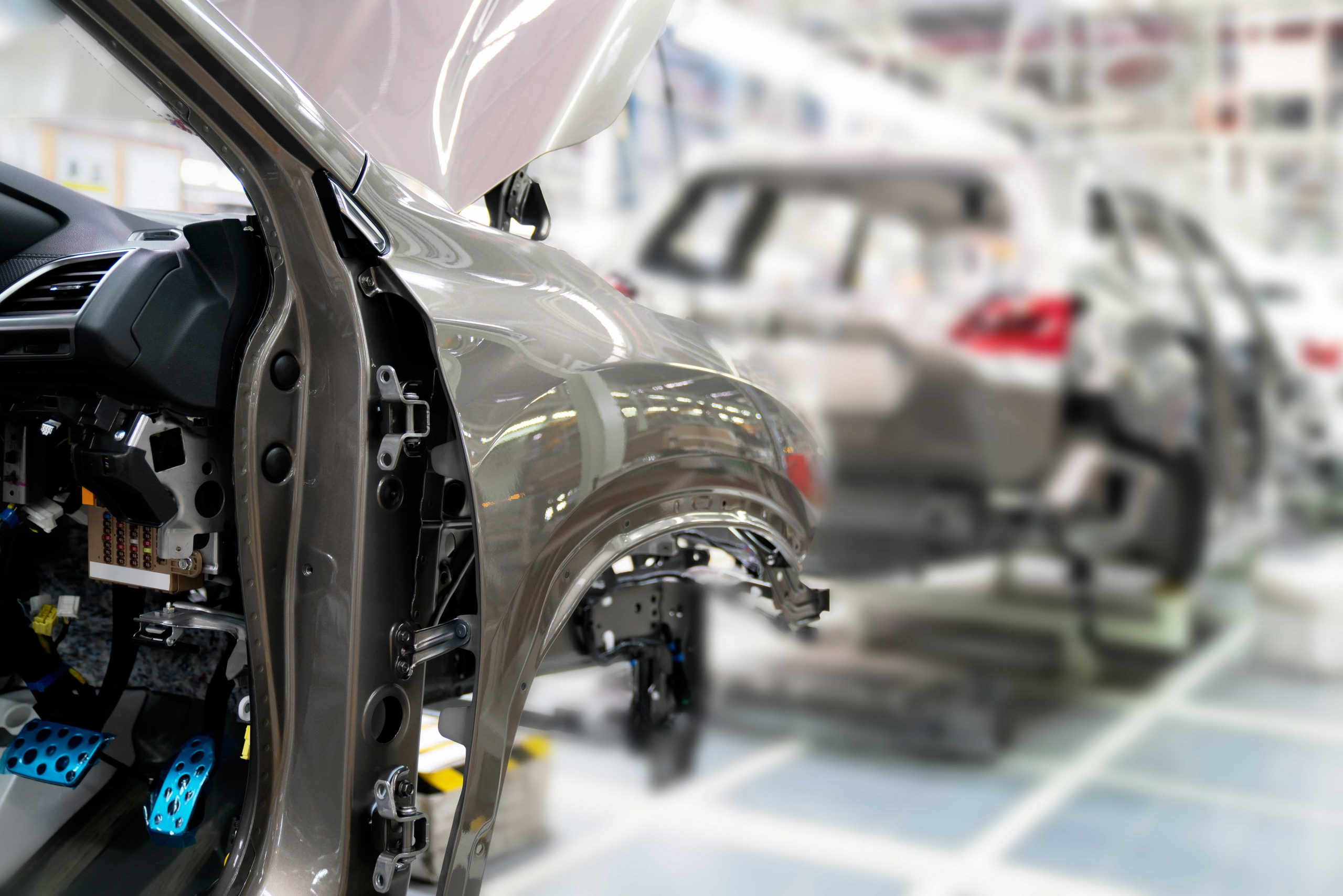
The COVID-19 pandemic has spared few industries from disruption and in recent months, the automotive industry has felt the sting of the global semiconductor shortage, halting the production of new vehicles across North America and Europe.
A new car contains hundreds – or in some cases thousands – of semiconductors chips, the computer components that make electronic devices work.
Recently, the chairman of Daimler, a leading German automaker, has said that the disruption in global car production as a result of supply-chain issues and sourcing electronic chips could continue into 2023. Beyond the effects on new-car sales and production, the chip shortage has sent ripples throughout the used car market. Average used car sale prices have soared 14 to 25 per cent in the past 12 months. A recent AutoTrader.ca survey revealed that 27% of prospective car buyers are willing to switch from purchasing a new vehicle to purchasing used vehicle.
The implications of these disruptions? We can expect the Canadian fleet of cars to consist of relatively fewer new vehicles and relatively more older vehicles. This has further implications with respect to both road worthiness and vehicle safety.
All passenger vehicles are not created equal, and the march towards increased passenger and pedestrian safety with each new model year might have hit a COVID-19 induced speed bump. Newer vehicles are typically safer. In 2012, Transport Canada mandated that every new vehicle sold must be equipped with electronic stability control (ESC), a skid prevention system, and in 2018 it mandated back-up cameras for all newly sold passenger cars.
Irrespective of regulatory requirements, automotive manufacturers offer increasingly sophisticated safety technology in their newest models. For example, newer vehicles are far more likely to be equipped with additional airbags, including knee, rear curtain, front-centre, and seatbelt airbags.
In personal injury litigation, injured plaintiffs and defending insurers alike frequently plead allegations of improper repair or maintenance of vehicles. Examinations for discovery often include lengthy discussions of servicing records, responsibility for vehicle maintenance, and the use and proper operation of headlights, horns, and turn signals. A claim of improper vehicle maintenance can just as much ground a plaintiff’s claim in negligence as it can be used as a defence, where a defendant asserts that an injured plaintiff is partly responsible for their own damages.
As Canadians hold onto their old cars longer due to supply chain constraints, we might see an increase in injury severity due to the lack of availability of newer and safer cars. Similarly, without vigilant vehicle maintenance, as the average age of cars on Canadian roads increases, vehicle maintenance and repair might become a more prominent feature in personal injury lawsuits, along with the mechanical and engineering expert evidence that those claims require.
Whether you are bringing or defending a motor vehicle accident claim, our team can help ensure that all areas of liability are canvassed, and that the most experienced and sophisticated engineering experts are hired for your case.